The ability to be in the present moment is a major component of mental wellness” (Maslow).
In the Self-Managing Leadership, we embed this practice before and after each session for participants to stop what they are doing and bring their thoughts to the present moment to reflect on what is happening and their intentions for what they are doing. We Strike a Japanese bowl when introducing the Full Stop and remain silent for a minute or two to allow the mind to quieten and experience the present moment.
During the course, this always becomes an appreciated element for participants.
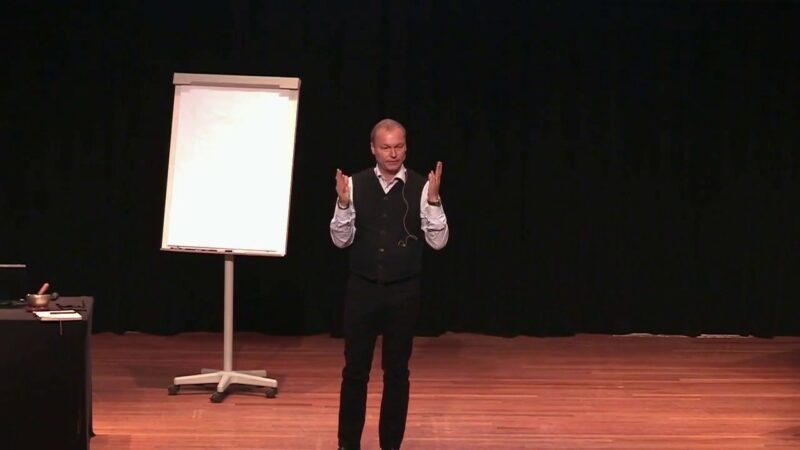
In this video, our partner Lasse Wrennmark introduces this concept a little bit closer.

Jonathan Yukawa
Experienced Managing Director with a demonstrated history of working in the management consulting industry. Skilled in Digital Strategy, Branding, Communication, Business Planning, Marketing Strategy, and Creative Development. Strong business and leadership professional with a Master’s Degree in Strategic Marketing and Luxury Brand Management.
Stay up-to-date with our latest news:
SubscribeMore Content
Explore InsightsOxford Leadership – 20 Years of Transforming Performance with Purpose

Oxford Leadership celebrates two decades at the forefront of purpose-driven organizational transformation. In an era of AI-powered disruption, the need for future-ready leaders has never been greater.
20th Anniversary
As we celebrate our 20th anniversary, we invite you to journey with us: exploring our roots, celebrating our impact, and looking ahead to the next generation of purpose-driven leadership.
Transforming Strategy Into Action: How to Close the Execution Gap
Turning strategy into organizational action is one of the toughest challenges leaders face.
Critical Thinking
Critical thinking allows leaders to pause, assess, and respond rather than react. It strengthens decision-making by helping leaders move beyond assumptions, examine evidence, and consider multiple perspectives.
How New Leaders Emerge and Form Their Identity
In order to grow and sustain high performance, organisations must consistently produce new leaders. As less experienced team members step into key roles and forge their identities as leaders, they embark on a critical journey of self-discovery. Leadership identity develops not simply by title, but through real-world experiences where leadership status is recognised by others through followership.
Navigating the Organising Paradox: How Organisations Balance Democracy and Hierarchy
Many organisations today aspire to be more democratic. Leaders talk about shared leadership, collective decision-making, and creating a culture where employees are true partners rather than passive participants.
A Review of Humble Leadership
Humble leadership is often celebrated for its positive impact on workplace culture, ethical behavior, and overall organisational success. But what does humility in leadership honestly look like?
Expanding the Spark of Inclusion Across Companies and Leaders
Last week marked the continuation of a powerful conversation on inclusion, hosted by Rio Tinto HQ and facilitated by Oxford Leadership Partner Michal Oshman.
Transforming Performance for the Future
Effective leadership goes beyond setting goals and driving results; it requires understanding the diverse personalities within your team.